Copyright ©2026 All rights reserved | Made with By GO4 IMPORT EXPORT.
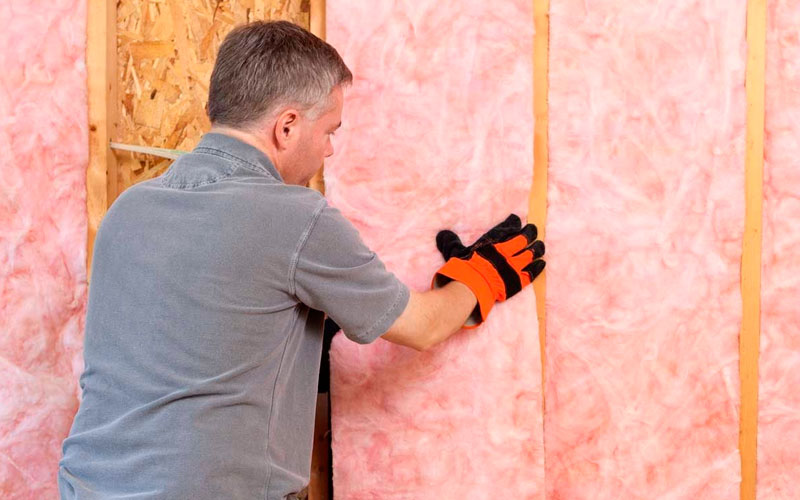
Airtech Engineering Solutions provides professional Best Insulation Services In Gurugram for industrial, commercial, HVAC, manufacturing, warehouse and specialized applications. Proper insulation helps control heat transfer, maintain desired temperatures, reduce energy losses and protect HVAC and mechanical systems from unwanted thermal effects.
Insulation is an important part of many HVAC and industrial systems. Ducts, chilled-water pipes, hot-water lines, refrigerant pipes, tanks, equipment and process systems may require different insulation materials and installation methods depending on operating temperature, environmental conditions and the purpose of the system.
In Gurugram and the surrounding Manesar industrial belt, insulation work is used across factories, offices, commercial buildings, warehouses, manufacturing facilities and HVAC installations. Local service providers offer duct insulation, pipe insulation, thermal insulation and equipment insulation for industrial and commercial applications.
Insulation should be selected according to the temperature range, system type, environment, surface condition and required performance. Using the same material for every application may not provide the required result.
HVAC duct insulation helps reduce unwanted heat transfer between the air inside the duct and the surrounding environment.
Depending on the application, duct insulation can be used for:
● Supply-air ducts
● Return-air ducts
● Fresh-air ducts
● Exhaust ducts
● AHU connections
● Central AC ducting
● Industrial HVAC systems
● Commercial HVAC systems
● Proper duct insulation can help maintain air temperature and reduce thermal losses. HVAC insulation providers also use insulation for both thermal and acoustic requirements.
Chilled-water piping requires suitable insulation to reduce heat gain and help control condensation on cold surfaces.
Chilled-water insulation can be used for:
● HVAC chilled-water lines
● AHU piping
● Chiller connections
● FCU piping
● Cooling-water systems
● Commercial HVAC plants
● Industrial cooling systems
● The insulation system should be properly sealed where required to minimize moisture ingress and condensation-related problems.
Hot-water and process lines may require insulation to reduce heat loss and help maintain process temperature.
Hot insulation applications can include:
● Hot-water pipelines
● Steam lines
● Heating systems
● Process pipelines
● Boilers
● Hot equipment
● Industrial process systems
● The appropriate material and thickness should be selected according to operating temperature and project requirements.
Industrial equipment, tanks, vessels and mechanical systems can require thermal insulation depending on their operating conditions.
Equipment insulation may help reduce heat transfer and protect nearby personnel or components from hot surfaces where applicable.
Different systems require different insulation approaches.
Thermal insulation is designed to reduce heat transfer between a surface and its surrounding environment.
It can be used for HVAC ducts, pipes, tanks, equipment and industrial systems.
Applications may include both hot and cold systems depending on the selected material and design.
Cold insulation is used for systems operating below ambient temperature.
Typical applications include:
● Chilled-water pipes
● Refrigerant lines
● Cold process lines
● Cold storage systems
● Chillers
● HVAC piping
● Vapour control is particularly important for many cold-insulation applications because moisture entering the insulation can reduce its effectiveness and contribute to condensation problems.
Hot insulation is used to reduce heat loss from high-temperature systems and help maintain process temperatures.
Depending on the temperature and application, materials such as mineral wool, calcium silicate or other suitable systems may be considered. Industrial insulation providers list mineral wool, calcium silicate and other materials for hot-system applications.
Acoustic insulation can be used where noise reduction is an important consideration.
It may be incorporated around HVAC ducts, equipment, mechanical rooms and other areas where sound transmission needs to be controlled.
Certain industrial and commercial applications may require specialized fire-protection or passive fire-protection systems.
The material and installation method should be selected according to the applicable project requirements and fire-safety specifications.
The correct material depends on the system and operating conditions.
Nitrile rubber or elastomeric insulation is commonly used for HVAC and refrigeration applications, particularly for cold pipes and systems where condensation control is important.
It can be applied to:
● Chilled-water pipes
● Refrigerant pipes
● HVAC piping
● AHU connections
● FCU connections
Mineral wool can be used for thermal and acoustic insulation applications and is suitable for various industrial and HVAC environments.
Its application depends on temperature, density, thickness and the overall insulation design.
Glass wool can be used for HVAC ducts and building-service applications where thermal and acoustic performance is required.
Rigid foam-based insulation systems such as PUF and PIR can be considered for suitable thermal applications where low thermal conductivity and dimensional stability are required.
Calcium silicate is commonly associated with higher-temperature industrial insulation applications.
It can be considered for suitable hot pipelines and equipment according to the operating temperature and project specification.
Aluminium cladding can be installed over insulation where mechanical protection and weather or environmental protection are required.
Industrial insulation providers in Gurugram specifically describe aluminium and stainless-steel cladding for pipe and HVAC insulation applications.
Industrial facilities often have a combination of hot, cold and ambient-temperature systems. A single project may therefore require several insulation solutions.
Factories can require insulation for HVAC ducting, chilled-water piping, hot process lines, tanks, equipment and utility systems.
The insulation should be selected according to the process temperature and operating environment.
Large warehouses can benefit from suitable HVAC duct insulation and building-related thermal insulation where temperature control is required.
The actual solution depends on the building design, HVAC system and intended use of the facility.
Industrial machinery and process equipment may generate or contain significant heat.
Insulation can be used on suitable surfaces to reduce heat transfer, maintain process temperatures or protect nearby areas.
Storage tanks and vessels may require insulation where temperature maintenance or heat-loss reduction is important.
The insulation thickness and protective finish depend on the operating conditions and tank environment.
Boilers, steam lines and high-temperature process systems can require specialized hot insulation.
Material selection needs to consider operating temperature, surface conditions and accessibility.
Airtech Engineering Solutions provides insulation solutions across Manesar, Sohna, Farrukhnagar, Pataudi, Badshahpur and Wazirabad, along with other parts of Gurugram.
Manesar has numerous manufacturing and industrial facilities where insulation may be required for HVAC systems, chilled-water lines, process equipment, ducts and utility pipelines.
Industrial insulation work can be planned according to the facility's operating temperature, equipment configuration and production environment.
Commercial and industrial properties in Sohna may require HVAC duct insulation, pipe insulation, equipment insulation and other thermal solutions.
A site inspection can help determine the existing insulation condition and appropriate replacement or installation method.
Factories, warehouses and commercial properties around Farrukhnagar and Pataudi can require customized insulation solutions for HVAC and industrial systems.
The work can include new insulation, replacement of damaged insulation and protective cladding.
Airtech Engineering Solutions also provides insulation support in Badshahpur and Wazirabad for suitable commercial, industrial and HVAC applications.
Insulation requirements also exist in commercial buildings, offices, hospitality properties and large HVAC installations.
Airtech Engineering Solutions provides insulation services across DLF Phase 1, DLF Phase 2, DLF Phase 3, DLF Phase 4 and DLF Phase 5.
Commercial buildings in DLF Phase 1 and DLF Phase 2 can require insulation for chilled-water pipes, refrigerant lines, AHU connections and HVAC ducts.
The insulation system should be coordinated with the existing HVAC installation.
Properties in DLF Phase 3, DLF Phase 4 and DLF Phase 5 can have centralized HVAC systems with extensive duct and pipe networks.
Insulation replacement or new installation can be planned after assessing the condition and operating requirements of the system.
Our insulation services also cover Sector 14, Sector 18, Sector 21, Sector 29, Sector 44, Sector 49, Sector 56, Sector 57 and Sector 67.
Offices, hotels, malls and other commercial buildings can require insulation for chilled-water systems, AHUs, ducts and refrigerant piping.
Proper insulation can help reduce thermal losses and support stable HVAC performance.
Industrial HVAC installations can involve large duct networks, AHUs and chilled-water piping.
Insulation should be selected according to the operating temperature and environmental conditions.
Pipe insulation can be used for both hot and cold systems.
Cold pipes require particular attention to vapour sealing and joint treatment where condensation control is important.
A professional insulation project begins with assessment rather than simply applying insulation material to a surface.
The existing system is assessed for:
● Pipe or duct dimensions
● Operating temperature
● Existing insulation
● Surface condition
● Moisture or condensation
● Accessibility
● Cladding condition
● Damage or deterioration
The insulation material is selected according to the application, temperature, required thickness, environmental exposure and project specifications.
Where required, surfaces are cleaned and prepared before insulation installation.
Damaged or deteriorated old insulation may need to be removed before applying a new system.
The insulation is installed around pipes, ducts, equipment or other surfaces according to the required thickness and installation method.
Joints and seams should be properly treated to maintain continuity.
Cold insulation systems may require vapour barriers and sealed joints to prevent moisture penetration.
Poor sealing can allow moisture into the insulation system and reduce its effectiveness.
Where mechanical or environmental protection is required, cladding can be installed over the insulation.
Aluminium, stainless steel or other suitable protective finishes can be considered according to the project.
The completed insulation is checked for coverage, joint quality, thickness, finishing and protection.
Old insulation can deteriorate due to moisture, physical damage, UV exposure, temperature cycles, poor installation or age.
Damaged duct insulation can reduce thermal performance and may contribute to condensation issues depending on the system.
Affected sections can be inspected and repaired or replaced.
Wet, compressed or damaged insulation around chilled-water pipes should be evaluated because moisture can affect insulation performance.
Replacement should include proper joint treatment and vapour sealing where required.
Outdoor HVAC pipes and ducts can be exposed to sunlight, rain, moisture and physical damage.
Suitable protective cladding or weather-resistant finishes can help protect the insulation system.
A correctly designed and installed insulation system can provide several practical benefits.
Insulation reduces the rate at which heat moves between a system and its surroundings.
By limiting unwanted heat gain or loss, insulation can help maintain the intended temperature of air, water or process fluids.
For suitable cold-system applications, continuous insulation and vapour sealing can help reduce condensation risk.
Reducing unwanted heat transfer can reduce the cooling or heating load placed on the HVAC or process system.
Insulation around hot surfaces can help reduce the risk of accidental contact with high-temperature surfaces where appropriate.
Suitable acoustic insulation can help reduce the transmission of sound from HVAC equipment and duct systems.
Insulation performance depends not only on the material but also on thickness, continuity, joint treatment, vapour sealing, surface preparation and protective finishing.
Professional installation can help address:
● Correct material selection
● Appropriate insulation thickness
● Continuous coverage
● Proper joint treatment
● Vapour sealing
● Surface preparation
● Cladding
● Accessibility
● Maintenance requirements
● Gurugram insulation providers specifically highlight application-based selection for pipes, ducts, tanks, boilers, equipment and HVAC lines rather than using one insulation solution for every application.
Insulation services involve installing, repairing or replacing materials designed to reduce heat transfer, control condensation, improve thermal performance or provide acoustic protection for HVAC, industrial and building systems.
Insulation solutions can include HVAC duct insulation, chilled-water pipe insulation, hot pipe insulation, thermal insulation, cold insulation, acoustic insulation, equipment insulation and protective cladding.
Yes. HVAC duct insulation can be provided for supply, return, fresh-air and other suitable duct systems according to the application.
Chilled-water insulation helps reduce unwanted heat gain and can help control condensation when the insulation system is properly selected, continuously installed and adequately vapour sealed.
Yes. Insulation solutions can be planned for factories, manufacturing facilities, warehouses and HVAC installations in Manesar.
The appropriate material depends on the operating temperature and application. Mineral wool, calcium silicate and other high-temperature insulation systems may be considered for suitable applications.
Yes. Damaged, wet, compressed or deteriorated insulation can be inspected and replaced where required.
Not every insulation system requires cladding. Protective cladding may be used where insulation needs additional mechanical, weather or environmental protection.
Yes. Where required, insulation can be combined with protective aluminium or other suitable cladding according to the project requirements.
Inspection frequency depends on the system, operating environment, exposure and condition of the insulation. Outdoor and high-use systems may require more frequent visual checks.
Professional Best Insulation Services In Gurugram are important for HVAC systems, industrial plants, commercial buildings, manufacturing facilities and other applications where temperature control and heat-transfer management are required.
Airtech Engineering Solutions provides customized insulation solutions for HVAC ducts, chilled-water pipes, hot pipelines, refrigerant lines, AHUs, equipment, tanks and industrial systems, along with repair, replacement and protective cladding where required.
Services are available across Manesar, Sohna, Farrukhnagar, Pataudi, Badshahpur, Wazirabad, DLF Phase 1, DLF Phase 2, DLF Phase 3, DLF Phase 4, DLF Phase 5, Sector 14, Sector 18, Sector 21, Sector 29, Sector 44, Sector 49, Sector 56, Sector 57 and Sector 67.
A properly selected and installed insulation system can help control heat transfer, reduce unwanted energy losses, manage condensation in suitable cold applications and support the long-term performance of HVAC and industrial systems.
Professional HVAC, ventilation, air conditioning, ducting, fabrication, insulation and engineering solutions for industrial and commercial requirements.