Copyright ©2026 All rights reserved | Made with By GO4 IMPORT EXPORT.
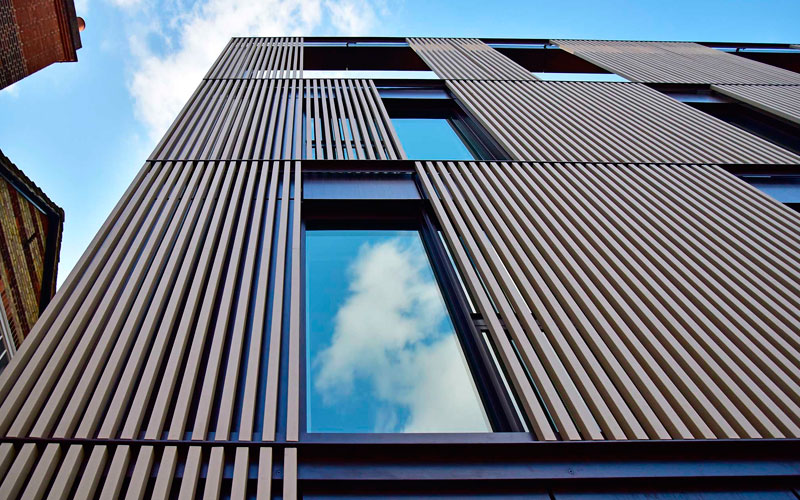
Airtech Engineering Solutions provides professional Best Cladding Services In Gurugram for HVAC systems, industrial insulation, pipelines, ducts, equipment, tanks and other mechanical installations. Cladding is generally installed as a protective outer layer over insulation to help protect the underlying system from moisture, weather exposure, UV radiation, physical impact, corrosion and environmental conditions.
In industrial and commercial HVAC applications, cladding can be used over chilled-water pipes, hot-water pipelines, steam lines, refrigerant piping, insulated ducts, tanks, vessels and equipment. Depending on the application, materials such as aluminium, GI and stainless steel can be selected according to the operating environment and required level of protection.
Proper cladding requires accurate measurement, suitable material selection, neat fabrication, correct jointing, secure fastening and appropriate finishing. The cladding system should be coordinated with the insulation beneath it so that the complete assembly provides the required protection and remains accessible for future maintenance.
Cladding requirements vary according to the type of insulation, location, operating temperature and environmental exposure. Indoor mechanical rooms may require a different finish from outdoor pipework exposed to rain and sunlight.
Aluminium cladding is commonly used as a protective covering for insulated HVAC pipes, ducts, tanks and equipment.
It can provide protection against:
● Rain and moisture
● UV exposure
● Dust
● Physical impact
● Surface damage
● Environmental exposure
● General wear
● Aluminium is also relatively lightweight and can provide a clean finished appearance. HVAC and industrial cladding providers use aluminium jacketing for ductwork, piping and insulation systems in commercial and industrial environments.
Galvanized iron or GI sheet cladding can be considered for suitable indoor and industrial applications where a durable metal protective layer is required.
GI cladding can be used over:
● HVAC duct insulation
● Industrial pipe insulation
● Equipment insulation
● Utility pipelines
● Mechanical services
● The material thickness, jointing and finish should be selected according to the project requirements.
Stainless steel cladding can be selected for applications where additional corrosion resistance, durability or hygienic finishing is important.
It may be suitable for selected pharmaceutical, food-processing, chemical, industrial and specialized environments.
Pipe cladding protects insulation installed around pipelines.
Depending on the application, pipe cladding may be used for:
● Chilled-water pipes
● Hot-water pipes
● Steam lines
● Refrigerant lines
● Process pipelines
● Condenser-water lines
● Utility pipelines
● The cladding needs to accommodate bends, elbows, valves, flanges and other pipe components.
Insulated HVAC and industrial ducts can be protected using external cladding where additional weather, moisture or mechanical protection is required.
Outdoor ducts are particularly exposed to environmental conditions, making protective jacketing an important consideration.
Cladding and insulation are often installed together as part of a complete HVAC mechanical-insulation system.
Chilled-water pipes require insulation to reduce unwanted heat gain and help control condensation. A suitable outer cladding can then provide additional protection to the insulation.
The cladding installation should avoid damaging the vapour barrier or insulation beneath it.
Hot-water lines can require insulation to reduce heat loss. Protective cladding can help shield the insulation from physical damage and environmental exposure.
Steam systems operate at elevated temperatures and require appropriate insulation materials and protective finishes.
The cladding system should be selected according to the temperature, insulation type and environmental conditions.
Refrigerant lines can be insulated to help manage heat transfer and condensation. Outdoor sections may require protective covering against weather and physical damage.
AHUs, chillers, tanks and other mechanical equipment can have insulated surfaces that require protective metal cladding.
The cladding should be fabricated around the equipment while maintaining access to inspection panels, valves, controls and serviceable components.
Industrial facilities can have extensive networks of insulated pipelines, ducts and equipment. Cladding helps protect these systems and can provide a more durable external finish.
Manufacturing facilities may require cladding for HVAC pipes, process lines, ducts, tanks and mechanical equipment.
The material can be selected according to indoor or outdoor exposure and the specific industrial environment.
Industrial equipment can require insulation for temperature control or personnel protection. Cladding can provide an outer protective layer over that insulation.
Insulated tanks and vessels may require protective cladding to protect the insulation from moisture and physical damage.
The cladding needs to follow the shape of the tank or vessel and accommodate access points where necessary.
Boilers and associated hot systems can require insulation and protective metal jacketing.
Cladding can help protect the insulation and provide a more durable external surface.
Industrial exhaust, ventilation and HVAC ducting can require external insulation and cladding depending on temperature, noise and environmental conditions.
Airtech Engineering Solutions provides cladding solutions across Manesar, Sohna, Farrukhnagar, Pataudi, Badshahpur and Wazirabad, along with other parts of Gurugram.
Manesar has a significant industrial and manufacturing base, making insulation protection relevant for HVAC systems, process pipelines, equipment and mechanical installations.
Cladding can be planned for both new installations and replacement of damaged or deteriorated existing jacketing.
Commercial and industrial facilities around Sohna can require protective cladding for HVAC ducts, chilled-water pipes, equipment and other insulated systems.
The appropriate material can be selected according to whether the installation is indoors or outdoors.
Factories, warehouses and commercial properties around Farrukhnagar and Pataudi may require customized cladding for pipelines, ducts, tanks and HVAC installations.
A site inspection can help establish measurements, material requirements and existing insulation conditions.
Airtech Engineering Solutions also supports cladding requirements in Badshahpur and Wazirabad for suitable HVAC, industrial and commercial applications.
Cladding work is also relevant to large commercial buildings, offices, hospitality properties and centralized HVAC plants.
Airtech Engineering Solutions provides service coverage across DLF Phase 1, DLF Phase 2, DLF Phase 3, DLF Phase 4 and DLF Phase 5.
Commercial properties in DLF Phase 1 and DLF Phase 2 may have extensive chilled-water piping, AHU connections and ductwork.
Where insulation requires additional protection, aluminium or another suitable cladding system can be installed.
Properties in DLF Phase 3, DLF Phase 4 and DLF Phase 5 can have centralized HVAC infrastructure requiring protective jacketing around pipes, ducts and equipment.
Existing cladding can also be inspected for corrosion, physical damage, loose joints or other deterioration.
Our cladding services also cover Sector 14, Sector 18, Sector 21, Sector 29, Sector 44, Sector 49, Sector 56, Sector 57 and Sector 67.
Commercial buildings can require cladding around chilled-water pipelines, HVAC ducts, AHUs and mechanical-room equipment.
The final finish can be selected according to the location, accessibility and appearance requirements.
Industrial facilities can require durable cladding for pipes, tanks, ducts and equipment exposed to demanding operating conditions.
Material selection should take into account temperature, moisture, chemicals, mechanical impact and outdoor exposure where applicable.
Outdoor installations require particular attention to water ingress, UV exposure, weather and joint detailing.
A properly installed external cladding system can help protect the insulation from these conditions.
Professional cladding installation requires accurate site measurements and careful fabrication.
The first stage is to inspect the existing or new insulation system.
Measurements may include:
● Pipe diameter
● Duct dimensions
● Equipment dimensions
● Elbow sizes
● Valve locations
● Flanges
● Tank dimensions
● Available clearances
● Access requirements
The appropriate cladding material is selected based on:
● Indoor or outdoor location
● Temperature
● Moisture exposure
● Corrosion risk
● Mechanical exposure
● Required appearance
● Maintenance requirements
● Project specifications
Metal sheets are cut and formed according to the dimensions of the pipe, duct or equipment.
For bends and complex equipment, the sheet may require customized shaping.
Fabricated sections are installed over the insulation and secured using an appropriate fixing method.
Joints and overlaps should be arranged to reduce the possibility of water entering the insulation system, particularly for outdoor installations.
Pipe elbows, tees, reducers, valves and flanges require specially fabricated pieces rather than simply wrapping flat sheets around them.
Accurate fitting helps provide a continuous protective finish.
Depending on the installation, suitable sealants or weatherproofing methods can be used at joints and penetrations.
The final installation is inspected for alignment, fastening, gaps, sharp edges and overall finish.
Existing cladding can deteriorate due to weather exposure, impact, corrosion, improper fastening or long-term use.
Bent, punctured or loose aluminium sheets can expose the underlying insulation to environmental conditions.
Damaged sections can be assessed and replaced where required.
GI cladding exposed to moisture or aggressive environments can develop corrosion over time.
Affected sections can be inspected and replaced with an appropriate protective system.
If cladding is missing or damaged, the insulation beneath it may become exposed to rain, UV radiation, physical damage or moisture.
Repairing the external protection can help preserve the underlying insulation system.
Loose fasteners, open joints and damaged sealant can compromise the protective layer.
Such areas can be inspected and repaired as part of maintenance work.
A correctly installed cladding system provides several practical benefits.
External cladding can help protect insulation from rain, moisture, sunlight and other environmental exposure.
Metal jacketing can provide additional protection against accidental impact and routine maintenance activity.
By protecting the insulation from moisture and physical damage, cladding can help maintain the condition of the insulation system.
A properly fabricated metal finish provides a neat and professional appearance for mechanical rooms, plant areas and exposed outdoor installations.
Clearly finished and properly installed cladding can make mechanical systems easier to identify and maintain.
Material selection can be adapted to the environmental conditions of the installation, including applications where corrosion resistance is important.
Cladding is not simply decorative metal covering. It is part of the protective build-up around insulated mechanical systems.
Important factors include:
● Correct material
● Sheet thickness
● Proper dimensions
● Joint configuration
● Fastening
● Weather detailing
● Vapour-barrier protection
● Drainage considerations
● Access to valves and equipment
● Surface finishing
● Industry guidance for metal cladding emphasizes that material choice, thickness, jointing, fastening and weather detailing should be matched to the service environment and maintenance requirements.
Airtech Engineering Solutions can integrate cladding work with its wider HVAC and insulation services.
A project may combine:
● HVAC ducting
● Duct insulation
● Pipe insulation
● Thermal insulation
● AHU installation
● Chiller systems
● Industrial ventilation
● Equipment insulation
● Aluminium cladding
● GI cladding
● Stainless-steel cladding
● This integrated approach can help coordinate insulation and protective jacketing instead of treating each activity as a separate installation.
Cladding services involve installing a protective outer layer over pipes, ducts, equipment, tanks or insulated mechanical systems. Materials such as aluminium, GI and stainless steel can be used depending on the application.
Cladding can protect insulation from moisture, weather, UV radiation, physical impact and environmental exposure. It can also provide a clean and durable external finish.
Common materials include aluminium, GI and stainless steel. Material selection depends on the operating environment, temperature, corrosion exposure and project requirements.
Yes. Aluminium cladding can be provided for HVAC pipes, ducts, chilled-water lines, equipment and other suitable insulated systems.
Yes. Industrial and HVAC cladding services can be planned for factories, manufacturing facilities, warehouses and mechanical installations in Manesar.
Yes. Damaged, loose, corroded or missing cladding can be inspected and repaired or replaced depending on its condition.
Yes. Protective cladding can be installed over suitable chilled-water pipe insulation. Proper detailing is important to protect the insulation and maintain condensation-control performance.
Aluminium cladding can be suitable for many outdoor HVAC applications because it provides a protective outer layer against weather and environmental exposure. The exact material and finish should be selected according to the project conditions.
Yes. Duct cladding can be provided for suitable insulated HVAC, ventilation and industrial duct systems.
Yes. Tanks, vessels, boilers and insulated equipment can be fitted with customized protective cladding according to their shape, operating conditions and access requirements.
Professional Best Cladding Services In Gurugram provide an important protective layer for insulated HVAC and industrial systems. Aluminium, GI and stainless-steel cladding can be used for suitable applications involving pipes, ducts, tanks, vessels, AHUs, chillers and other mechanical equipment.
Airtech Engineering Solutions provides customized cladding solutions across Manesar, Sohna, Farrukhnagar, Pataudi, Badshahpur, Wazirabad, DLF Phase 1, DLF Phase 2, DLF Phase 3, DLF Phase 4, DLF Phase 5, Sector 14, Sector 18, Sector 21, Sector 29, Sector 44, Sector 49, Sector 56, Sector 57 and Sector 67.
From new cladding installation to repair and replacement of damaged jacketing, each project can be planned according to the insulation system, operating environment and site conditions. Proper fabrication, jointing, fastening and weather protection can help maintain the condition of the underlying insulation and provide a durable external finish.
Professional HVAC, ventilation, air conditioning, ducting, fabrication, insulation and engineering solutions for industrial and commercial requirements.